

Natgen exists to provide our clients with well-considered, risk-managed investment opportunities and quality strategic advice. We base our decision-making, advice and investment offers on careful measurement and analysis, and combine this with our management experience to arrive at quality solutions.
1,800+ followers


Peta brings over 25 years’ financial service experience gained in funds management, and wealth management. As a top performing fund manager, Peta managed institutional cash and fixed income portfolios (in excess of $5b) for Suncorp Investments, and as an Executive Leader, led ASX listed Cromwell Property Group’s Retail Funds Management business. At Natgen, Peta provides our funds management business with further depth and leads the development of new Natgen investments for the
benefit of our Unitholders.
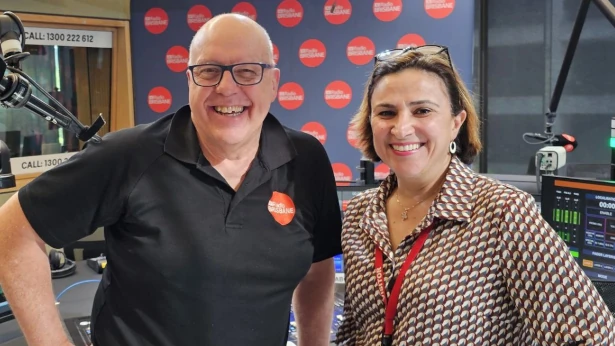
Steve has had a varied career at the ABC from researcher for 7.30 Report to producing Stateline, as well as ABC Radio news and presenting the Queensland Statewide Evenings radio program.
Steve’s love of Brisbane and passion for fighting the good fight ensures lively and informative conversation every morning on ABC Brisbane.
So what are the big drivers of the inflation rate?
Most of it’s being blamed on the Middle East but it’s been driven before that.
Things have been going up well before that in a range of areas. So let’s go to
Peta Tilse. Peta Tilse, both a professional and raising
multiple children, head of funds management at NatGen.
I spoke to Peta earlier on and said look what are the big drivers of this?
Morning Steve. Just to recap the inflation that came out yesterday
surprisingly was actually slightly better than expected
from what economists were expecting. Sadly we’re above
that 4% level. The Reserve Bank wants the 2 to 3 percent
band. In terms of what the key drivers were
it was actually energy costs unsurprisingly. Electricity, the power
that you and I pay when we turn on our lights and
appliances at home. Yeah correct and then when you look at that
over a 12 month period it’s actually a 30
over 30 percent increase. So if we cast our minds back to
to this time last year there was a you know all those
rebates and so forth washing through the system so a lower base I guess
but now we’re you know 30 percent higher so to speak. So
this is all impacting families because it’s a non-discretionary spend. You can’t
not turn on the lights. So how does a mother of three kids
feel this? How will a mother of three children
feel the effects of inflation? Inflation seeps through everything like
it measures what we use all day every day and
what it’s affecting is your spending power essentially. So
when you go to the shops I literally did my my Woolooz order the other day
and I’m not kidding you in two weeks the milk price has gone up seven percent.
So I had to check my you know because it’s all digital these
days you can actually check what you spent it on.
And it’s up seven percent so it’s starting to
flow through. It’s only just the beginning of feeling the food price
increase. It hasn’t actually filtered through yet as I understand it Peta Tills.
That’s right and these things can take six to nine months.
That’s usually the the sort of average so we’re only just
starting to see what it’s going to look like. And so if you’re buying
meats or any of the sort of the produce you’ll start to see a significant lift
in prices over the next few months. Yes I’d agree because I mean you think
about if you’ve got a contract to supply I don’t know um coles,
wollies whatever usually that’s at a fixed price but
that they because that’s how you’ve negotiated your deal.
But if your if your fertilizer costs have gone
over you know a ridiculous up a ridiculous amount and your
fuel costs your diesel costs are up a ridiculous amount
that the the actual producer will absorb it
for a period but then it’s just impossible you just can’t deliver on that
contract at that price like it doesn’t make sense.
So some of these things will be renegotiated
um or just passed on to us and and don’t forget
uh you know the transport operators getting it to and from the farm gate
uh to the to our shops etc um they’ve got to pass on their costs too. So
that’s why it takes a little bit of time to adjust when people think well
you know I’ve got this contract uh and then there’s a bit of renegotiation but
the reality is um it’ll flow through. My get. Think of your your your uber driving
Steve so if you hop in an uber like remember that that was part of the
the conversation how does a an uber driver um keep it at you know that same
trip at 10 bucks when it’s costing him or her a lot more money to fill up their
car. As fate would have it I caught a taxi yesterday and interestingly
before or I booked it they actually give you an advisory warning up front saying
you will be charged a uh a fee or an extra charge because of the
increase in the price of fuel and they did it up front which was good
of them but I thought oh yeah crikey of course.
Yes but taxis ride share anyone who relies on fuel to earn their income is
going to be really in in filling the pressure. So flip
that into those numbers we saw yesterday we were only measuring up to March 31st
you didn’t you didn’t get that charge prior to March 31st that’s only a recent
thing so the next month the next quarter it’s going to look a lot uglier I’d
suggest. My guest is Peta Tilse Peta Tilse is an economist she’s with NatGen
this is 612 ABC Brisbane. Peta I just want to ask you something about
economics I was always taught that governments create inflation when you
know that the government spending is the essential cause of inflation uh now this
one may be slightly differently because of the conflict in the
Hormuz but is that right is it I mean up until this point you’ve seen a lot of
the the media commentary and the the the economists and commentators in the
newspapers have been warning the federal government for at least 18 months for at
least 18 months saying you’re spending too much money you’re putting pressure
under inflation is that fair? That that is absolutely fair um because when you
look at who the participants are on the economy you’ve got um obviously the
government but there’s obviously the private sector and and the consumer and
yeah the usual it’s around about that sort of 30 percent mark of you know where
the government sort of participates uh within economic growth I guess sort of
leading into this we we’ve sort of had our foot flat on the accelerator in
terms of spending and I guess probably the the biggest case in point is and
everyone’s sort of been talking about it is how unsustainable some of the
programs are that are out there like uh you know NDIS blowing out to 55 billion
dollars I mean I’ve actually got a family member that’s dependent on that
program um with a severe disability but you know there’s there’s all those
providers out there that that aren’t licensed I mean can’t you you know as a
government wouldn’t you have better checks and balances in place before you
you let money flow out the door quickly so there’s things like that and then you
know there’s other bits of waste out there um in terms of how how contracts are
delivered uh and we’ve seen that in various inquiries so so there’s money
that that’s being spent um that could be spent better and and actually improve
productivity and the like for Australians Peta Tilse is my guest we’re
talking inflation this is 612 ABC Brisbane Steve Austin’s my name Peta
people like Michael Matusik have been warning for some time that the
people seem to forget housing makes up more than 20 percent of the CPI and it’s
actually you know house price inflation is running hotter than headline
inflation the federal government’s five percent deposit scheme actually made it
worse it didn’t fix anything it made it worse particularly at the lower end of
the market actually it made it harder for poorer people to get into a home
tell me the story you heard of of to build a two just a basic two-bedroom
apartment in Brisbane please Peta Tilse a basic two-bedroom apartment Steve
these days uh when you look at land costs finance approvals so that’s kind
of like your call your core works before it’s even come out of the ground is
about seven hundred and fifty thousand dollars per apartment then add on the
actual build etc um the the variable costs they call it uh that’s another
seven hundred and fifty thousand dollars so we’re talking one and a half
million dollars for a developer to pretty much break even and as interest
rates rises so so does the the cost to hold so if you’re building a high-rise
apartment in Brisbane and this probably explains some of the things you’re
seeing as you drive down the street you’re targeting at least a one and a
half million dollar price point so if you’re looking uh you know you and I
looking to buy and we want to buy something at eight hundred thousand
dollars there’s not a lot out there um so the the price point is changing and
it’s you may as well just make the uh the the fit out of that particular
apartment high end and and get your one and a half two million dollar price tag
so they’re building for wealthy people or people of of means
not for people who may actually need housing correct
my guess is Peta Tilse what does this mean for say the Queensland state
government it looks to me like it’s going to make their job
very difficult even at a time when they’re negotiating enterprise bargaining
agreements with unions but it also means they have less bang
for their buck when they spend money on state programs
how does it look to you uh the state programs are going to be
more and more expensive sadly which impacts all of us as taxpayers rate
payers um you know we want those hospitals uh
completed we want those roads built we want um cross river rail to finish
take your pick um and uh you know this just all adds to the the cost burden i
guess and and therefore the debt of the state um which
impacts us all ultimately so what’s the reserve bank
going to do when they have to make uh when they have their next meeting
Peta Tilse i don’t even think it’s uh i don’t even think you’d flip a coin
or anything like that i think it’s uh it’s a done deal um we will get a 25
basis point rise next week and there’ll be more to come
uh so that’s actually the interesting bit because
if you think about um household spending it’s tightening up
and it’s it like people will possibly not go out as much and so forth
uh they’ll be tighter with their dollars so there will be a point
where the the economy will slow down which is exactly what
higher interest rates are designed to do um but it’s it’s that and the cost of
everything else that um is is going to uh impinge on on
a finite budget like if you’re a pensioner on a fixed income you’ve
only got so many dollars to spend you can’t go and tax your neighbor
so um to some extent the economy will slow
but some economists are saying this might be it but
um most i think there’s at least another one or two
interest rate rises for this year Peta Tilse thank you very much once again
pleasure stave Peta Tilse uh is head of funds management at natgen















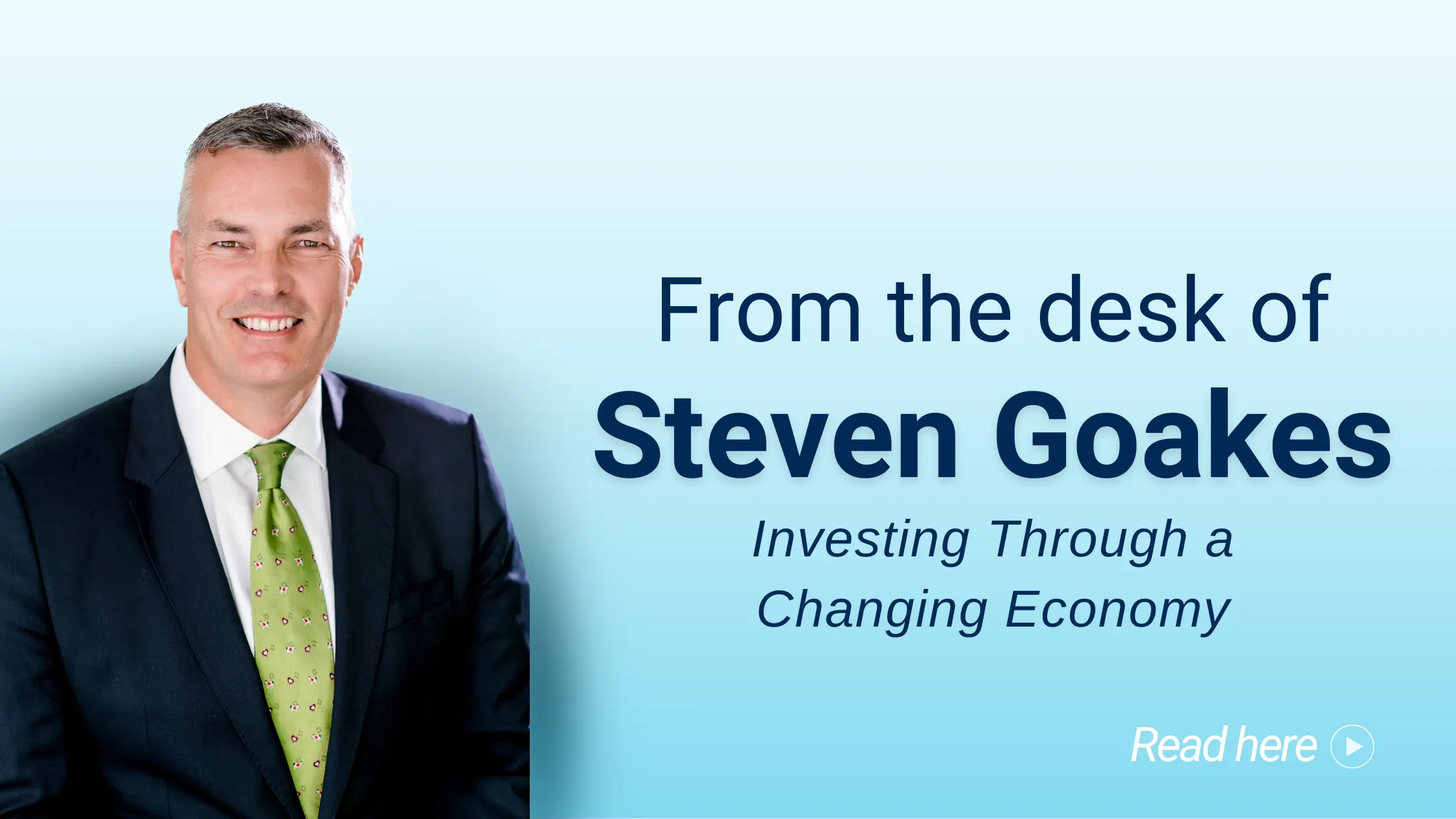
It is my habit each quarter to reflect on the prevailing conditions and Natgen’s responses...
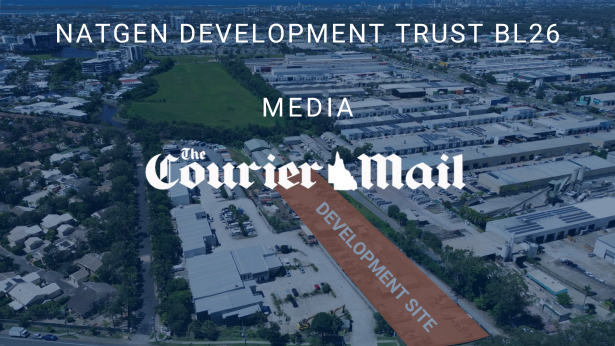
Big plans for Coast property Queensland property fund manager and developer Natgen has completed the...
It is my habit to spend some time each quarter reflecting on the prevailing conditions...
Cracks starting to show in economy A helping hand in commercial and property investment and...

2,000+ followers